The catering industry is no longer just about providing food—it is an ever-evolving blend of technology, sustainability, personalization, and creativity. As global lifestyles change and guest expectations rise, catering services must adapt to remain relevant and memorable.
From luxury weddings in Abu Dhabi to corporate conferences in Dubai, the next decade will demand innovative approaches, healthier menus, immersive experiences, and eco-conscious practices. Caterers who anticipate these trends will lead the industry, while others risk being left behind.
This article explores the key trends that will define catering in the next ten years, providing insights for businesses, event planners, and hosts who want to stay ahead.
1. Sustainable Catering Takes Centre Stage
Sustainability is no longer optional; it is a primary expectation. Caterers will need to adopt practices that minimize environmental impact while delivering exceptional experiences.
Key Sustainability Trends:
- Zero-Waste Menus: Creative ways to use all parts of ingredients.
- Locally Sourced Produce: Supporting local farmers while reducing transportation emissions.
- Biodegradable Packaging and Tableware: Eliminating single-use plastics.
- Eco-Conscious Menu Design: Incorporating plant-based and seasonal items.
Sustainable catering not only appeals to eco-conscious clients but also positions caterers as forward-thinking leaders in the industry.
2. Technology and Automation Revolution
Automation and technology will transform catering operations, from ordering to food preparation and delivery.
Innovations Include:
- AI-Powered Menu Planning: Tailoring menus based on guest demographics and dietary preferences.
- Robotic Chefs and Food Prep: Precision cooking for efficiency and consistency.
- Smart Inventory Management: Reducing waste through real-time tracking.
- Digital Ordering Platforms: Streamlining event planning and client communication.
Technology will enable caterers to increase efficiency, maintain quality, and deliver personalized experiences at scale.
3. Health and Wellness-Oriented Catering
Health-conscious dining will remain a major focus, influencing menu planning and presentation.
Trends in Wellness Catering:
- Plant-Based and Vegan Options: Catering to ethical and health-focused clients.
- Superfood Integration: Nutrient-rich ingredients like chia, kale, and quinoa.
- Functional Beverages: Hydration and energy-boosting drinks.
- Balanced Meal Portions: Ensuring guests feel nourished without overindulgence.
Wellness-oriented menus not only satisfy dietary needs but also enhance the overall event experience, making catering an integral part of lifestyle-focused events.
4. Customization and Personalization
Guests increasingly expect tailored experiences, from food selection to presentation. Personalized catering is becoming the norm.
How Personalization Manifests:
- Customized Menu Options: Guests choose ingredients or courses based on preferences.
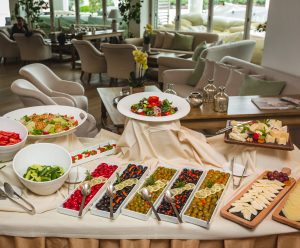
- Interactive Stations: Salad bars, sushi counters, and build-your-own bowls.
- Branded Menus for Corporate Events: Aligning food with company identity.
- Dietary Customization: Gluten-free, keto, or allergy-sensitive dishes.
Personalized catering ensures every guest feels valued, leading to higher satisfaction and memorable events.
5. Immersive and Experiential Catering
Catering is evolving into a full sensory experience. The next decade will see a rise in immersive food experiences that engage multiple senses.
Examples:
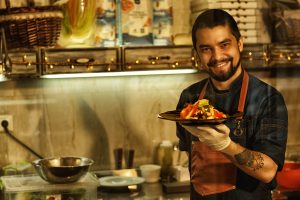
- Live Cooking Demonstrations: Guests witness chefs preparing meals.
- Themed Food Installations: Food aligned with the event’s story or theme.
- Multi-Sensory Pairings: Combining flavors, aromas, textures, and visual elements.
- Interactive Tasting Experiences: Small plates and tasting flights for exploration.
Experiential catering turns meals into entertainment, leaving lasting impressions on guests.
6. Fusion Cuisine and Global Flavors
Globalization and multiculturalism will influence catering menus. Expect fusion cuisine and international flavors to dominate events.
Examples:
- Middle Eastern spices in Italian dishes
- Asian-inspired desserts with local twists
- Latin American street food presented with gourmet flair
Catering that celebrates diversity enhances guest experiences and reflects the cosmopolitan nature of modern cities.
7. Technology-Enhanced Presentation
Visual appeal will become even more important, enhanced by digital tools and innovative plating techniques.
Trends in Presentation:
- Holographic and AR Displays: Projecting interactive visuals onto plates or tables.
- LED Lighting in Food Displays: Creating dramatic effects.
- Precision Plating: Using technology for intricate designs and uniformity.
- Instagram-Worthy Designs: Ensuring social media-ready dishes.
These innovations make food not just consumable but memorable and shareable, boosting event prestige.
8. Eco-Conscious Beverage Trends
Beverages will also reflect sustainability and health trends.
Examples Include:
- Plant-based milk alternatives in coffee and tea
- Cold-pressed juices and detox drinks
- Eco-friendly cocktail garnishes and reusable glassware
Healthy, sustainable beverages complement wellness-focused catering and reinforce eco-conscious event messaging.
9. Robotics and AI in Catering Operations
Robotics and AI will enhance efficiency in kitchens and service.
Applications Include:
- Automated cooking stations for precision and consistency
- AI-assisted portion control to reduce waste
- Robotic servers for large-scale events
- Predictive analytics for ingredient ordering and inventory
These technologies streamline catering operations, allowing faster service without sacrificing quality.
10. Sustainable Packaging and Delivery
With the rise of off-site catering and delivery, eco-friendly packaging will be critical.
Trends Include:
- Biodegradable containers and utensils
- Compostable plates and cups
- Minimalist, reusable packaging for premium events
Sustainable packaging reflects responsible catering practices while maintaining the aesthetic appeal of the event.
11. Virtual Catering Experiences
The digital era has introduced virtual events and remote catering, particularly post-pandemic.
Examples:
- Meal Kits Delivered to Attendees: Guests cook or assemble dishes at home.
- Interactive Virtual Cooking Classes: Guests participate online.
- Live Streaming Food Experiences: Remote attendees enjoy guided tastings.
Virtual catering allows brands and hosts to reach global audiences while maintaining engagement.
12. Smart Nutrition and Functional Foods
Catering will focus on functional, performance-oriented foods that support health goals.
Trends Include:
- Protein-packed snacks and meals
- Adaptogenic herbs and superfood blends
- Anti-inflammatory, gut-friendly dishes
Smart nutrition integrates wellness with culinary innovation, appealing to health-conscious guests.
13. Minimalism Meets Luxury
Minimalist plating with a luxury touch will remain popular, balancing simplicity and elegance.
Features:
- Clean lines and uncluttered plates
- Focus on a hero ingredient
- Subtle garnishes highlighting flavor and texture
This approach appeals to high-end clients seeking sophisticated, aesthetically pleasing meals.
14. Inclusive and Allergy-Conscious Catering
Future catering will prioritize inclusivity, ensuring guests with allergies, dietary restrictions, or religious preferences are accommodated.
- Clear labeling of ingredients
- Separate cooking stations for allergen-free meals
- Vegan, halal, kosher, and gluten-free options
Inclusive catering demonstrates thoughtfulness and professionalism, enhancing guest satisfaction.
15. Sustainability as a Brand Statement
Catering trends will merge sustainability with branding. Companies increasingly use eco-friendly catering to showcase corporate responsibility and values.
- Events with zero-waste menus
- Branded reusable tableware
- Locally sourced, sustainable dishes
Sustainable practices enhance the company’s image while meeting guest expectations.
16. Experiential Desserts and Sweet Innovations
Desserts will evolve into interactive and immersive experiences:
- Edible art installations
- Molecular gastronomy desserts
- Customized, visually striking pastries
Dessert stations will become centerpieces of events, drawing attention and creating social media-worthy moments.
17. Outdoor and Destination Event Catering
Catering for outdoor or destination events will grow, demanding portable, fresh, and visually appealing solutions.
- Packaged gourmet boxes for weddings or retreats
- Temperature-controlled transport for perishable items
- Creative presentation that withstands outdoor conditions
This trend reflects the growing popularity of unique, scenic event locations.
18. Cultural Storytelling Through Food
Catering will increasingly use food as a storytelling tool, reflecting culture, heritage, and brand narratives.
- Traditional dishes presented with modern techniques
- Multi-cultural fusion events
- Interactive stations highlighting regional specialties
Food becomes a conversation starter and immersive experience, deepening engagement.
19. Data-Driven Catering Insights
The next decade will see catering decisions informed by data:
- Popular dishes based on guest demographics
- Event feedback analytics for menu improvements
- Predictive models for portion planning and waste reduction
Data-driven insights allow caterers to optimize service, improve guest satisfaction, and reduce costs.
20. The Future of Catering is Experiential, Sustainable, and Smart
In conclusion, the next decade will redefine catering. Guests expect:
- Health-conscious and wellness-focused menus
- Sustainability and eco-friendly practices
- Immersive, interactive experiences
- Technology-driven efficiency and personalization
Catering will no longer be just a service—it will be an experience, a statement, and a reflection of evolving lifestyles. Businesses and hosts who embrace these trends will stay ahead in a competitive, fast-changing industry.
Conclusion
The future of catering is dynamic, innovative, and guest-centric. From sustainable practices to AI-powered kitchens, immersive experiences, and health-focused menus, the catering landscape is set to transform dramatically.