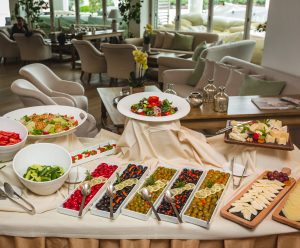
When most people think of catering, the first thing that comes to mind is food—and for good reason. After all, food is central to human connection, celebration, and comfort. But in today’s competitive world of events, catering is no longer just about filling plates. It’s about curating an experience.
From the warmth of a server’s smile to the elegance of table settings, catering influences how guests feel and what they remember long after the event ends. In this way, caterers have transformed into event architects, crafting sensory journeys that go well beyond flavour.
This article explores how catering enhances guest experiences beyond the meal itself—covering hospitality, ambiance, innovation, and the emotional touch that makes events unforgettable.
1. The Power of First Impressions
The moment a guest walks into an event, their experience begins. Food may not even be served yet, but catering already plays a role. The way appetizers are displayed, the aroma wafting through the air, and the attentiveness of staff set the tone.
- Presentation as storytelling: The look of the buffet or cocktail station can reflect the event theme, whether it’s rustic chic, luxury glam, or cultural tradition.
- Greeting with care: Offering a welcome drink or a small bite immediately creates warmth and comfort.
These details demonstrate that catering isn’t only about the food—it’s about how the food is introduced.
2. Hospitality: The Heart of Catering
Hospitality is the invisible thread that connects the food to the guest. A dish may be delicious, but if the service is cold or inattentive, the entire experience falls flat.
Professional caterers know that service staff are just as important as chefs. Every smile, gesture, and interaction contributes to how guests perceive the event. Key elements include:
- Attentive service: Anticipating needs before guests ask.
- Cultural sensitivity: Understanding traditions, dietary preferences, and etiquette.
- Professionalism: Smooth coordination that feels effortless to guests.
True hospitality ensures that guests feel valued, welcomed, and celebrated.
3. Ambiance and Atmosphere
Ambiance is the invisible seasoning of any event, and catering often shapes it directly. From table arrangements to lighting around the buffet, caterers help create the mood of the event.
- Table décor: Centerpieces, linens, and even plate styles contribute to the visual theme.
- Lighting and aroma: Strategic use of lighting and subtle scents elevate the environment.
- Music pairing: Some caterers collaborate with event planners to align background music with food service stages.
A well-thought-out catering setup makes guests feel immersed in an environment rather than just attending a gathering.
4. Storytelling Through Food and Service
One of the most exciting evolutions in catering is its ability to tell stories. A wedding couple might want dishes that represent their cultures, or a corporate event may feature a menu symbolizing innovation.
Examples include:
- Cultural menus: Highlighting dishes from different regions with authentic preparation.
- Themed plating: Designing food presentations that align with the event’s story.
- Interactive stations: Live cooking, sushi rolling, or dessert decorating, where guests actively engage with the story.
Through storytelling, catering turns meals into memories.
5. Creating Engagement Beyond Eating
The best caterers know that guests don’t just want to eat—they want to be entertained, surprised, and engaged. This is where innovation shines.
- Interactive food bars: Taco stations, pasta stations, or build-your-own salad setups give guests choice and fun.
- Chef demonstrations: Watching a chef flambé, carve, or plate adds theater to the dining experience.
- Technology integration: QR codes linking to dish origins, ingredients, or wine pairings.
Engagement ensures that catering becomes an activity, not just a necessity.
6. Personalization and Inclusivity
Nothing enhances guest experience more than feeling seen and included. Personalized catering makes each guest feel special.
- Dietary inclusivity: Vegan, gluten-free, keto, halal, or allergy-conscious dishes available for all.
- Custom touches: Printing guest names on dessert plates or designing cocktails after the host.
- Local and cultural respect: Ensuring traditions are honored with authentic recipes.
This attention to personal detail elevates catering into an act of care and respect.
7. Emotional Connection Through Food
Food has the power to evoke emotions—nostalgia, comfort, joy. Caterers who understand this create unforgettable experiences.
- A grandmother’s recipe reimagined for a wedding.
- A dish representing a company’s hometown for a corporate gala.
- Seasonal flavors reminding guests of cherished holidays.
Catering becomes a way to connect hearts as much as fill stomachs.
8. Sustainability as Part of the Experience
Modern guests care about more than taste—they care about impact. Sustainable catering practices enhance guest experience by aligning with their values.
- Eco-friendly materials: Biodegradable plates and cutlery.
- Local sourcing: Menus highlighting farm-to-table freshness.
- Zero waste: Composting and donating leftovers.
Guests leave not only full but also proud to have been part of a responsible event.
9. Seamless Execution Behind the Scenes
Guests may not see the logistics, but they feel them. Smooth catering operations result in seamless experiences.
- Timely service prevents long waits.
- Coordinated staff ensures every guest is served equally.
- Professional crisis handling (like sudden weather changes) keeps the event stress-free.
When everything runs flawlessly, the focus stays on joy, not mishaps.
1. The Power of First Impressions
The moment a guest walks into an event, their experience begins. Food may not even be served yet, but catering already plays a role. The way appetizers are displayed, the aroma wafting through the air, and the attentiveness of staff set the tone.
- Presentation as storytelling: The look of the buffet or cocktail station can reflect the event theme, whether it’s rustic chic, luxury glam, or cultural tradition.
- Greeting with care: Offering a welcome drink or a small bite immediately creates warmth and comfort.
These details demonstrate that catering isn’t only about the food—it’s about how the food is introduced.
2. Hospitality: The Heart of Catering
Hospitality is the invisible thread that connects the food to the guest. A dish may be delicious, but if the service is cold or inattentive, the entire experience falls flat.
Professional caterers know that service staff are just as important as chefs. Every smile, gesture, and interaction contributes to how guests perceive the event. Key elements include:
- Attentive service: Anticipating needs before guests ask.
- Cultural sensitivity: Understanding traditions, dietary preferences, and etiquette.
- Professionalism: Smooth coordination that feels effortless to guests.
True hospitality ensures that guests feel valued, welcomed, and celebrated.
3. Ambiance and Atmosphere
Ambiance is the invisible seasoning of any event, and catering often shapes it directly. From table arrangements to lighting around the buffet, caterers help create the mood of the event.
- Table décor: Centerpieces, linens, and even plate styles contribute to the visual theme.
- Lighting and aroma: Strategic use of lighting and subtle scents elevate the environment.
- Music pairing: Some caterers collaborate with event planners to align background music with food service stages.
A well-thought-out catering setup makes guests feel immersed in an environment rather than just attending a gathering.
4. Storytelling Through Food and Service
One of the most exciting evolutions in catering is its ability to tell stories. A wedding couple might want dishes that represent their cultures, or a corporate event may feature a menu symbolizing innovation.
Examples include:
- Cultural menus: Highlighting dishes from different regions with authentic preparation.
- Themed plating: Designing food presentations that align with the event’s story.
- Interactive stations: Live cooking, sushi rolling, or dessert decorating, where guests actively engage with the story.
Through storytelling, catering turns meals into memories.
5. Creating Engagement Beyond Eating
The best caterers know that guests don’t just want to eat—they want to be entertained, surprised, and engaged. This is where innovation shines.
- Interactive food bars: Taco stations, pasta stations, or build-your-own salad setups give guests choice and fun.
- Chef demonstrations: Watching a chef flambé, carve, or plate adds theater to the dining experience.
- Technology integration: QR codes linking to dish origins, ingredients, or wine pairings.
Engagement ensures that catering becomes an activity, not just a necessity.
6. Personalization and Inclusivity
Nothing enhances guest experience more than feeling seen and included. Personalized catering makes each guest feel special.
- Dietary inclusivity: Vegan, gluten-free, keto, halal, or allergy-conscious dishes available for all.
- Custom touches: Printing guest names on dessert plates or designing cocktails after the host.
- Local and cultural respect: Ensuring traditions are honored with authentic recipes.
This attention to personal detail elevates catering into an act of care and respect.
7. Emotional Connection Through Food
Food has the power to evoke emotions—nostalgia, comfort, joy. Caterers who understand this create unforgettable experiences.
- A grandmother’s recipe reimagined for a wedding.
- A dish representing a company’s hometown for a corporate gala.
- Seasonal flavors reminding guests of cherished holidays.
Catering becomes a way to connect hearts as much as fill stomachs.
8. Sustainability as Part of the Experience
Modern guests care about more than taste—they care about impact. Sustainable catering practices enhance guest experience by aligning with their values.
- Eco-friendly materials: Biodegradable plates and cutlery.
- Local sourcing: Menus highlighting farm-to-table freshness.
- Zero waste: Composting and donating leftovers.
Guests leave not only full but also proud to have been part of a responsible event.
9. Seamless Execution Behind the Scenes
Guests may not see the logistics, but they feel them. Smooth catering operations result in seamless experiences.
- Timely service prevents long waits.
- Coordinated staff ensures every guest is served equally.
- Professional crisis handling (like sudden weather changes) keeps the event stress-free.
When everything runs flawlessly, the focus stays on joy, not mishaps.
10. Lasting Impressions Beyond the Event
Catering leaves a mark long after the final bite. Guests often remember standout elements like:
- The incredible dessert table.
- The kindness of servers.
- The unique themed food presentation.
For many, these memories become the story they share when recounting the event.
Conclusion: Catering as an Experience, Not a Service
The future of catering is not just about delivering meals—it’s about crafting atmospheres, emotions, and unforgettable moments. Food may be the centerpiece, but hospitality, ambiance, storytelling, personalization, and values turn ordinary gatherings into extraordinary celebrations.
In short, catering enhances guest experience beyond food by making them feel welcomed, entertained, included, and valued. When done right, catering becomes the heartbeat of an event—the part that transforms it from a function into a cherished memory.