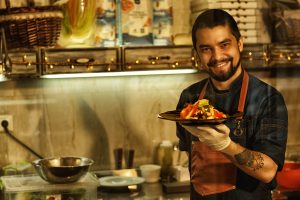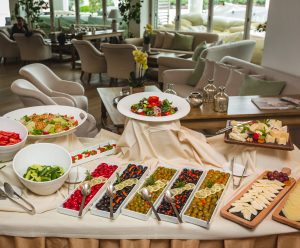
There was a time when catering meant one thing: a fixed buffet with dishes chosen by the caterer, not the client. Guests were expected to fit into the menu instead of the menu fitting into the event. But times have changed. Today, customized catering services are redefining how people experience events. From weddings and corporate functions to cultural celebrations and private parties, hosts now expect caterers to deliver not just food, but personalized dining experiences that reflect identity, culture, and lifestyle.
Customized catering is no longer a luxury—it’s becoming the standard of excellence. The modern guest list is diverse, filled with different dietary needs, cultural backgrounds, and culinary expectations. A one-size-fits-all menu simply won’t do anymore. The solution? Tailored menus that reflect the unique story of the host and the tastes of every guest.
1. What is Customized Catering?
Customized catering goes beyond the traditional concept of providing a standard menu. It is the art of curating a dining experience where every dish is designed to align with the client’s preferences, the event’s theme, and the guests’ needs.
It often includes:
- Personalized menu planning – built around dietary preferences, themes, or cultures.
- Diet-specific dishes – vegan, keto, halal, gluten-free, or allergen-sensitive.
- Fusion of cultures – combining cuisines to reflect the diversity of guests.
- Seasonal menus – based on fresh, locally sourced ingredients.
- Story-driven meals – menus crafted around the client’s story or event theme.
For example, a luxury wedding in Abu Dhabi might feature fusion catering—a traditional Arabic mezze spread paired with gourmet Italian pasta and French pastries. Meanwhile, a corporate event in Dubai may demand light, health-conscious menus to match wellness-focused branding.
In short, customized catering is about inclusivity and personalization, ensuring no guest leaves unsatisfied.
2. Why Are Customized Menus in Catering Rising?
Several cultural, social, and economic factors are fueling the shift towards customized catering.
A. Diverse Guest Profiles
In places like the UAE, where over 200 nationalities live and work, events often host guests with vastly different culinary expectations. A customized catering menu bridges these differences by offering choices that respect all backgrounds.
B. Rise of Health-Conscious Dining
Today’s diners are health-aware. Some follow plant-based diets, others prefer protein-rich keto meals, and many avoid allergens like nuts or gluten. A customized menu ensures health and enjoyment go hand in hand.
C. Experience-Driven Events
Clients don’t just want food on the table—they want food experiences. Customized catering allows chefs to design menus that reflect the theme, brand, or story of the event.
D. Influence of Social Media
Instagram and TikTok have changed the dining industry forever. Guests expect meals that are not just delicious but also visually stunning. Custom catering allows for creativity in plating, colors, and design.
E. Shift Toward Sustainability
Eco-conscious hosts now demand sustainable catering—menus built on seasonal, local, and organic produce. Personalized catering enables a greener approach without sacrificing taste.
3. Benefits of Customized Catering for Hosts and Guests
Offering personalized menus has immense advantages:
- Guest Satisfaction – Everyone feels valued when their needs are considered.
- Memorable Events – Unique menus create experiences that stick in people’s minds.
- Stronger Branding – Corporate events can align menus with company values (e.g., wellness or sustainability).
- Premium Appeal – Tailored experiences allow caterers to charge premium rates.
- Inclusivity – No guest feels left out because of dietary restrictions or cultural differences.
A standard buffet may fill stomachs, but a customized menu fills hearts and memories.
4. Real-World Examples of Customized Catering
Weddings:
Couples often want menus that reflect both families’ backgrounds. An Indian-Arab fusion wedding, for instance, might feature butter chicken alongside lamb ouzi, symbolizing unity.
Corporate Events:
A Dubai tech firm hosting an international conference may opt for light, healthy catering menus—think quinoa salads, smoothie bowls, and plant-based proteins—to reflect innovation and wellness.
Private Parties:
Birthday celebrations often feature personalized cakes, themed desserts, and signature cocktails that reflect the guest of honor’s personality.
Festivals:
During Ramadan, many catering services in the UAE create Iftar and Suhoor menus blending traditional Emirati dishes like hares and liquidate with international cuisines for diverse audiences.
5. The Role of Customized Menus in the UAE Catering Industry
The UAE is a hub of luxury, multiculturalism, and global dining trends, making it the perfect stage for personalized catering.
- Corporate Demand: With Dubai and Abu Dhabi hosting global summits, customized catering ensures every delegate feels represented.
- Luxury Weddings: Personalized menus are essential in a market where weddings are seen as storytelling events.
- Expat Communities: From Filipino to Lebanese to British, each community seeks cultural representation in food.
- Tourism: Visitors expect world-class catering, often tailored to international palates.
Catering services in the UAE that adapt to these expectations are leading the industry.
6. How Caterers Can Create Customized Menus
- Client Consultation – Understand cultural backgrounds, dietary restrictions, and event themes.
- Flexible Menu Packages – Offer “build your own menu” services rather than rigid sets.
- Emphasize Fresh Ingredients – Seasonal and local produce elevate both taste and sustainability.
- Hire Multicultural Chefs – Diversity in the kitchen allows for diversity on the plate.
- Incorporate Storytelling – Tie dishes to personal stories or brand narratives.
- Stay Updated on Trends – From plant-based meats to molecular gastronomy, innovation keeps catering exciting.
7. The Business Impact of Customized Catering
Customized catering is not just a culinary trend—it’s a business strategy.
- Increases Revenue: Premium, personalized services attract higher-paying clients.
- Boosts Reputation: Events remembered for their food lead to more referrals.
- Creates Differentiation: In competitive markets, unique menus make caterers stand out.
- Strengthens Client Relationships: Collaborative menu-building creates stronger bonds with customers.
In fact, surveys show that 70% of event hosts are more likely to rehire caterers who offer customized services.
8. The Future of Customized Catering: What’s Next?
The catering industry is evolving rapidly, and customized menus will dominate the future.
- Technology-Driven Catering: AI-powered menu builders and virtual tastings.
- Sustainability Integration: Zero-waste catering and plant-forward menus.
- Wellness-Centric Menus: Nutrient-rich meals designed for health-conscious guests.
- Hyper-Personalization: Personalized menus printed with guest names or based on dietary surveys.
- Interactive Catering: Live cooking stations where guests customize their own meals.
The future belongs to caterers who can merge innovation, personalization, and experience.
Conclusion: Customization is the Soul of Modern Catering
Customized catering is not a passing trend—it is the new foundation of hospitality. Guests no longer want to fit into fixed menus; they want menus that fit into their lives, cultures, and values. From Abu Dhabi’s luxury weddings to Dubai’s international corporate events, personalized catering is defining success.
For caterers, this is both a challenge and an opportunity. Those who embrace flexibility, creativity, and storytelling will not just serve food—they will serve memories, connections, and experiences.
In today’s world, the rise of customized menus is more than a shift in dining—it’s a shift in how we celebrate, connect, and remember events. And in that shift lies the future of catering.